Welcome to the Critical Care Information Database (CCID)
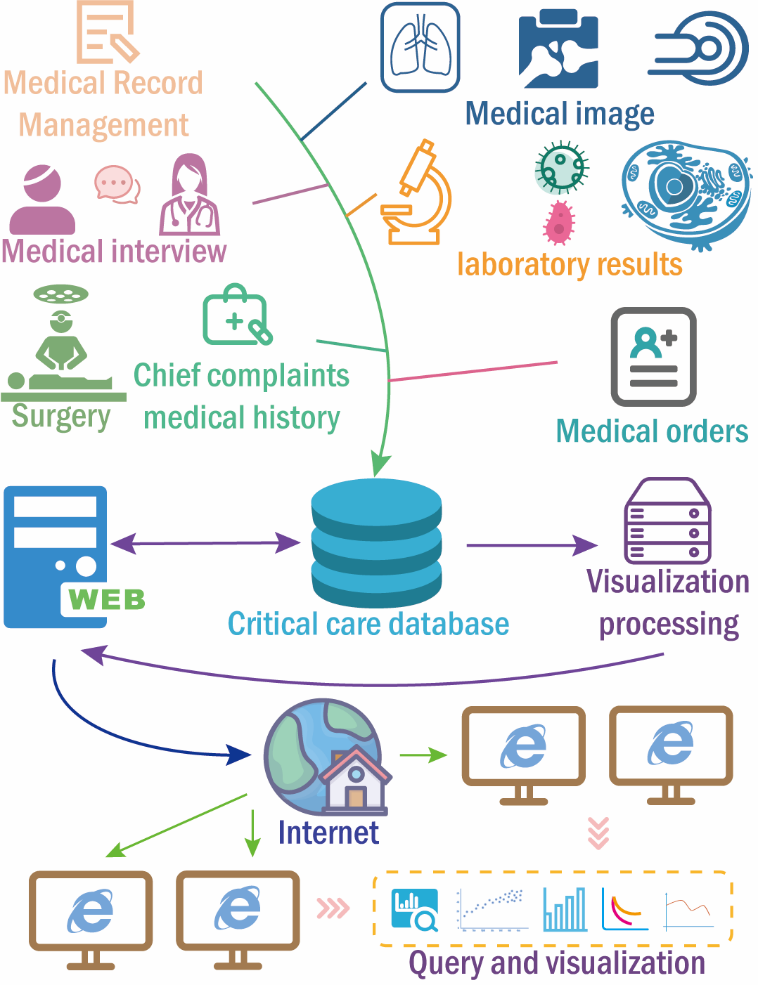
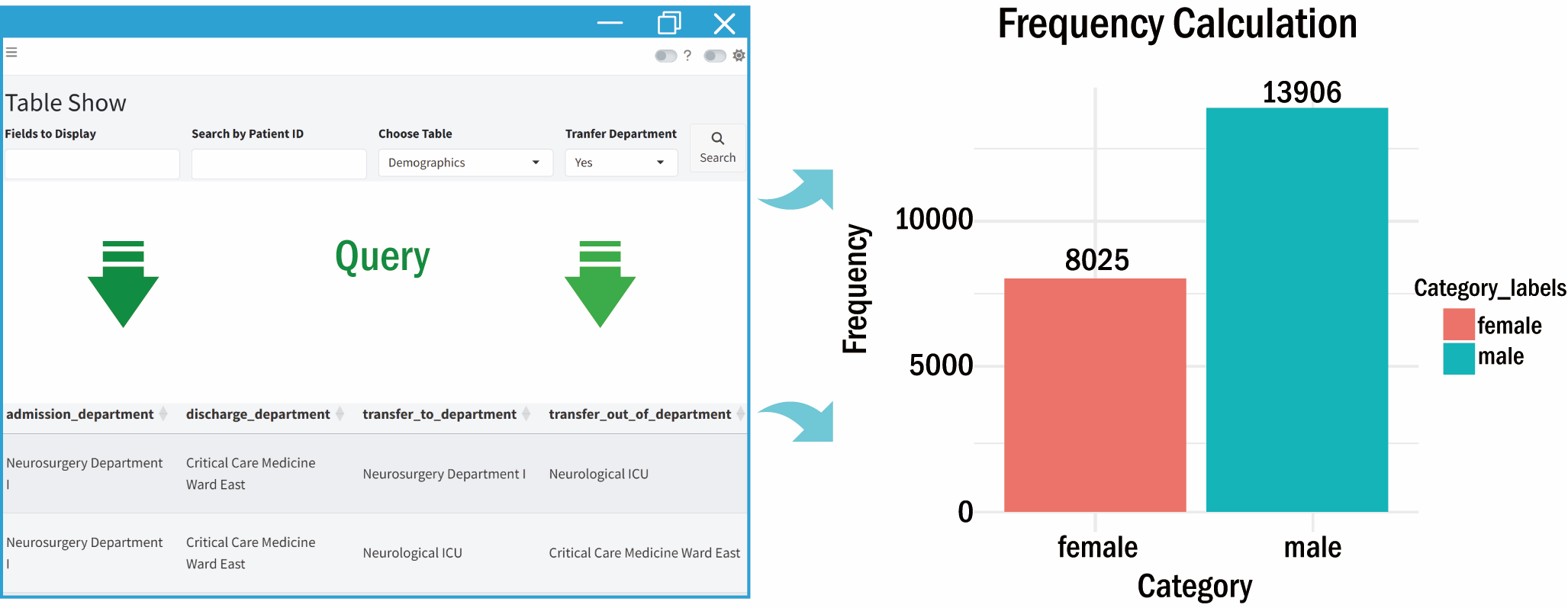
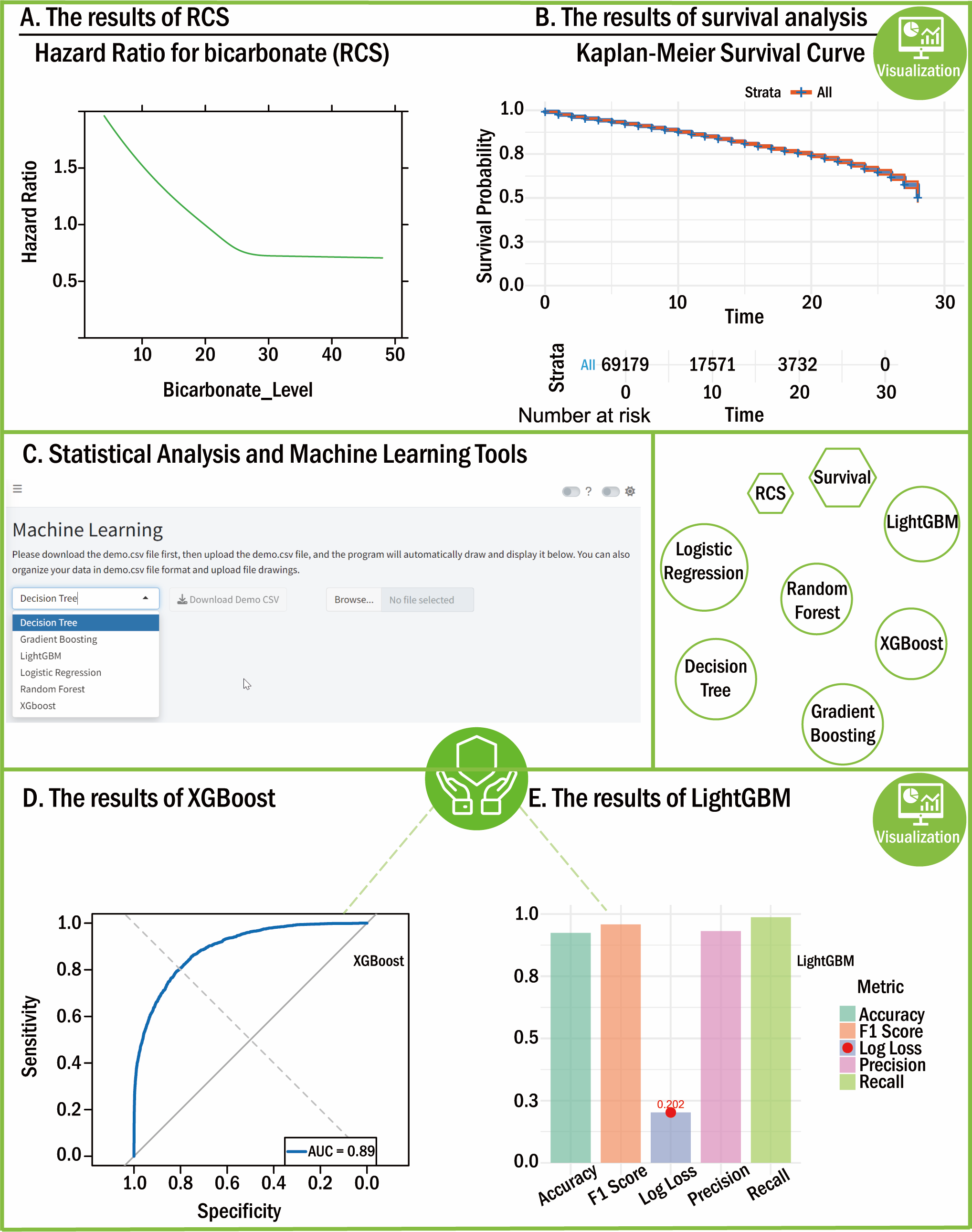
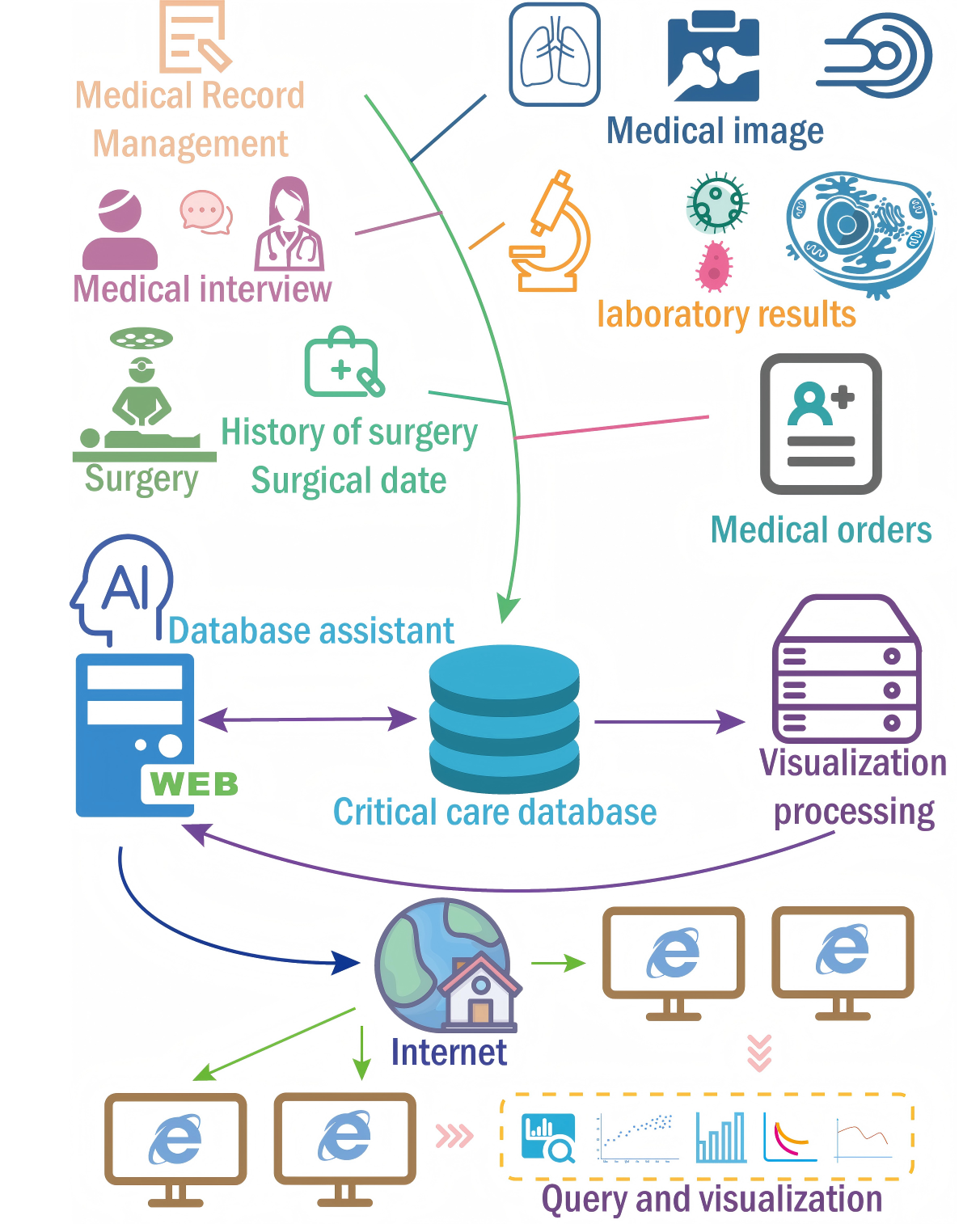
The Critical Care Information Database is a multicenter repository encompassing comprehensive data on Intensive Care Unit (ICU) patients, including demographics, diagnoses, surgical history, medical history, examination results, and laboratory findings. This platform also offers researchers the capability to download data from this repository along with access to a variety of statistical and machine learning analysis tools, facilitating efficient and effective utilization of the database for scholarly research. Should you wish to utilize this database in your research, we kindly request that you cite the following reference: 'XXXXXXXX' DOI: XXXXXXX. Proper citation not only acknowledges the efforts of the contributors but also supports the continued development and maintenance of this resource.
Introduction
In the field of critical care medicine, artificial intelligence (AI) research based on large-scale data is garnering increasing attention. Recent studies have demonstrated that analyzing critically ill patients, particularly those in Intensive Care Units (ICUs), constitutes a complex multidimensional data analysis task. Whether it involves diagnosis, treatment selection, or prognosis assessment, these processes largely depend on an in-depth understanding of various patient metrics and data.
The integration of deep learning models into medical research has intensified this trend. Due to their robust learning capabilities, deep learning models can process vast amounts of patient variable information. With the inclusion of more covariates, their predictive performance often yields impressive results.
However, traditional critical care databases typically focus on structured data such as demographics, laboratory test results, and therapeutic interventions, potentially overlooking the impact of unstructured data like medical orders and patient complaints. Given the current advancements in transformer, large language models, and multimodal models, alongside improvements in computational resources, we propose the establishment of a specialized data repository for critical care medicine. This database would encompass a broader range of information types, extending beyond tabular data, and ensure regular updates to reflect the latest clinical practices and technological data.
This initiative aims to meet the growing demands of critical care research and provide substantial support for precision medicine. By incorporating diverse data sources and leveraging advanced analytical techniques, this repository will enhance our ability to deliver personalized and effective treatments for critically ill patients.